Education
A knowledgeable staff sells more beer.
Short primers for retailers, bartenders, and anyone walking the cold box. The bigger picture behind the book — not just the SKUs in it.
Confidence & understanding
We sell an eclectic mix — craft and domestic beer, cider, wine, spirits, and a serious non-alcoholic set. Each has a history and a way it wants to be poured. Understanding that picture is how you recommend the next one without guessing.
We’re here to help
This archive is for you, your staff, and the friend who wants to know more. Brand-specific sheets live with your sales rep and on the package book. Questions — email us. We’re happy to help.
The basics
A short floor-ready vocabulary for beer, cider, and the rest of the cold box.
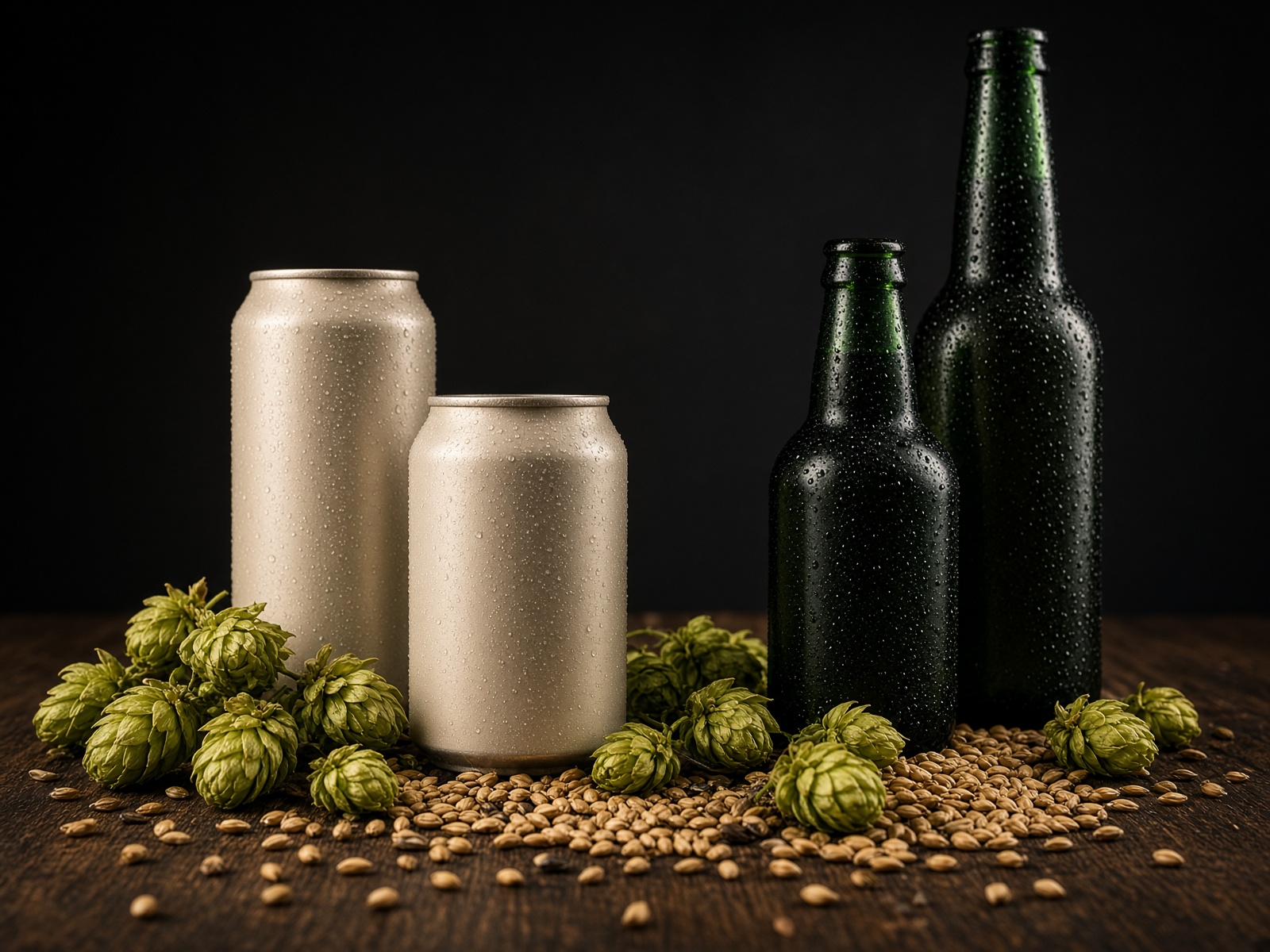
Almost every beer starts with water, malted grain, hops, and yeast. Water is the body of the beer. Malt — usually barley, sometimes wheat, rye, or oats — supplies fermentable sugar and the color, toast, and sweetness you taste. Hops add bitterness, aroma, and a little preservation. Yeast eats sugar and leaves alcohol, CO₂, and flavor.
When a guest asks “why is this one bitter?” you can point at hops. When they ask “why is this one darker or sweeter?” you can point at malt. That split is enough to sell with confidence.
In our book
A starting set for this style — not every SKU in the book. Search the book.


Beer styles
The families you will actually walk on a North State floor — every matching SKU from the current books is listed under the primer.
Cider, wine & spirits
The other half of the cold box and the back bar.
Non-alcoholic
The set that is no longer a consolation prize.
Draft & service
Most complaints are temperature, glassware, or a dirty line — not the beer.
Pairing & selling
Enough food sense to finish the round.